Port Profile: Los Angeles

Building at Port of Los Angeles    The Port of Los Angeles was originally documented on October 8, 1542 by Portuguese explorer Juan Rodriquez Cabrillo as the San Pedro Bahia de Los Fumas, or the “Bay of Smokes,” after the smoke that rose from the nearby Native American hunters. In 1897, Congress declared the San Pedro Bay the official Port of Los Angeles thanks to the persuasions of a California Senator, Stephen M. White, also known as the “Savior of the Bay.” The Port became an official department of the City of LA when the cities of San Pedro and Wilmington were annexed to the City of LA in 1909. Today, the Port of Los Angeles is one of the United States’ busiest seaports.

Facilities:

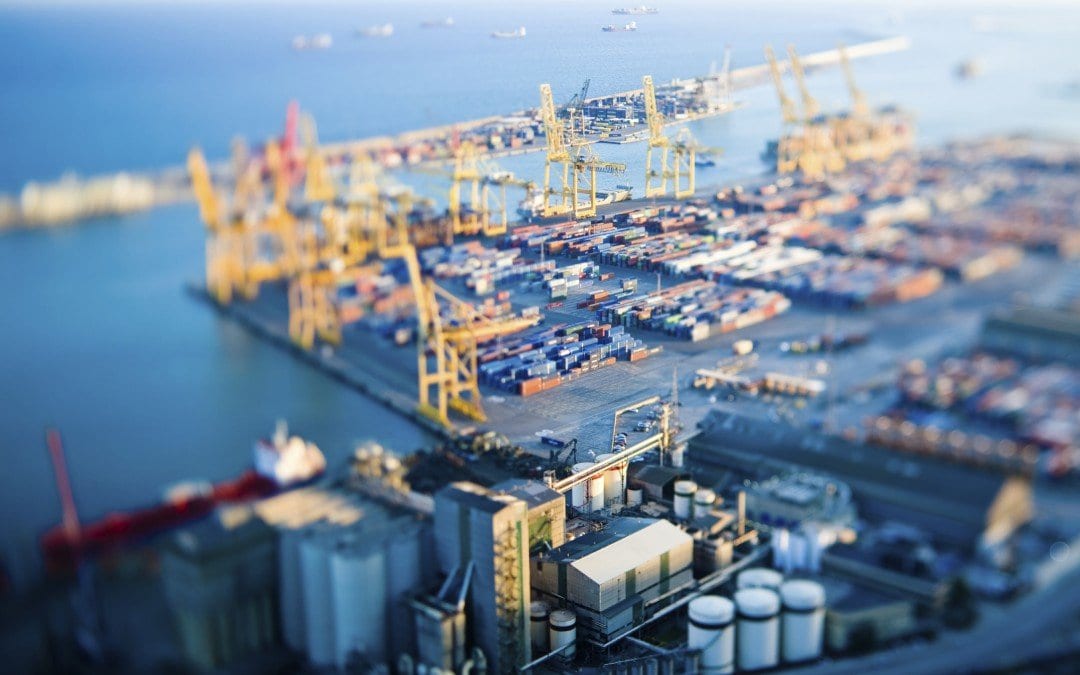
Harbor view of Port of Los Angeles- Acreage: 7,500 acres (4,300 land/3,200 water)

- Berths: 270 – including nine Alternative Maritime Power™ (AMP™) berths

- Marinas: 17 (3,500 recreational boat slips)

- Terminals: 23

  • Automobile (1)
  • Liquid Bulk (7)
  • Breakbulk (2)
  • Passenger (2)
  • Container (9)
  • Dry Bulk (2)

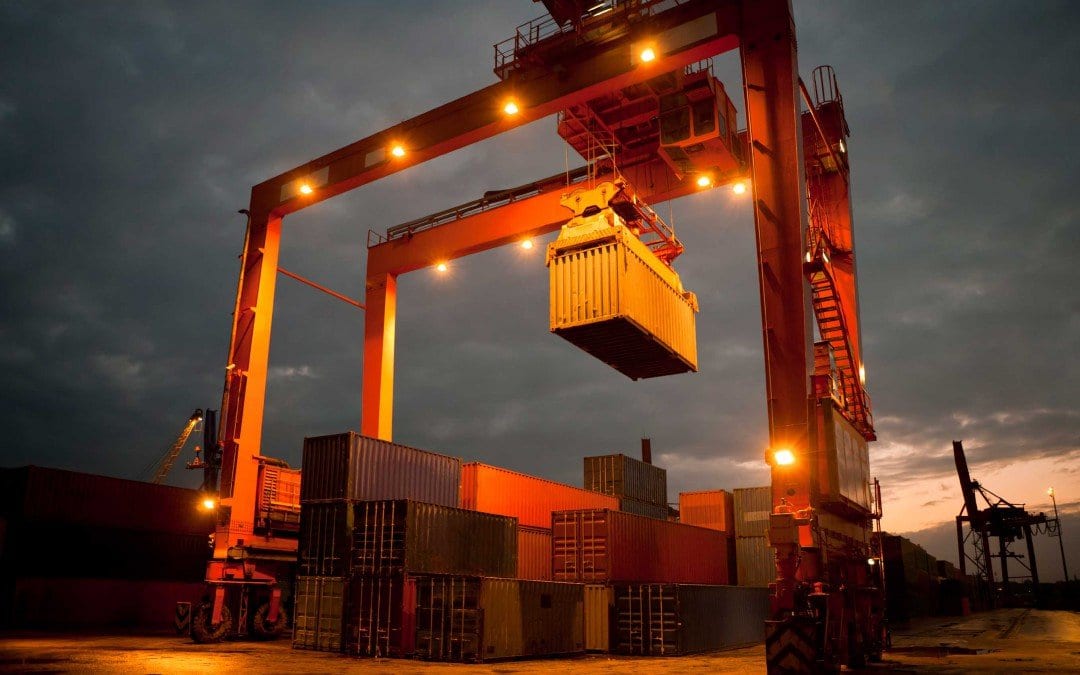
Bridge and crane at Port of Los AngelesThroughput 2011:

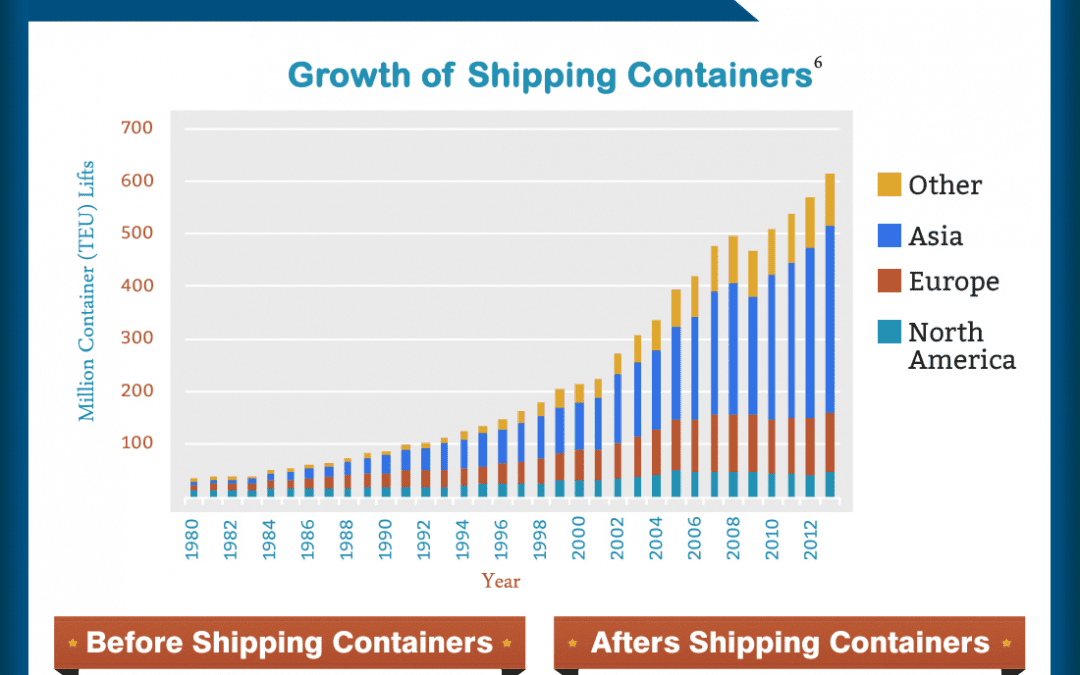
- Container Volume: 7.9 million TEUs (CY 2011)

- Top Containerized Imports: Top five, in TEUs, CY 2011

  • Furniture – 392,278
  • Automobile Parts – 376,117
  • Apparel – 338,572
  • Electronic Products – 237,807
  • Footwear – 158,854

Geography:

    The Port of Los Angeles is located in Southern California between the Pacific Ocean and the San Gabriel Mountains on the San Andreas Fault, about nine kilometers west-southwest of the Port of San Diego and almost 390 nautical miles south-southeast of the Port of San Francisco.

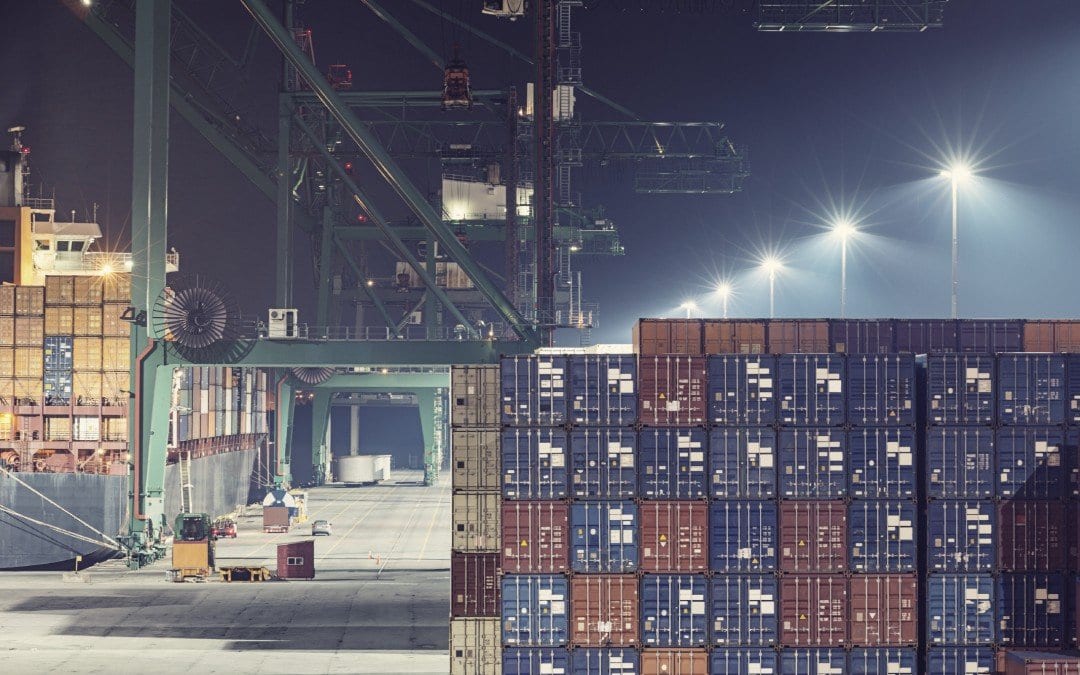
Containers and crane at Port of Los AngelesGreen Initiative:

- The Port of Los Angeles shows environmental leadership through enactment of the San Pedro Bay Ports Clean Air Action Plan and the Green Port Policy.

- In February 2012, the port was named a recipient of the U.S. Environmental Protection Agency’s (EPA) inaugural Climate Leadership Award. This award recognizes businesses and organizations that have shown outstanding leadership in response to climate change.


Fun Facts:

- The Olympic Yachting events in 1932 took place in the Pacific Ocean directly off the Port of Los Angeles.


Sources:

This Week In Global Logistics

Long Beach Voted ‘Best Seaport’ in North America – The Port of Long Beach had been named the best seaport in North America by Cargonews Asia at the 2012 Asian Freight and Supply Chain Awards in Shanghai. This is the 15th time in the past 17 years that the Port of Long Beach has been recognized as the best on the continent by importers, exporters and supply chain professionals.

Read more from Port of Long Beach

L.A., Long Beach Ports Increase Traffic Mitigation Fee – Marine terminal operators in the Ports of Los Angeles and Long Beach will increase their traffic mitigation fee by 2.5% on August 1st. This increase is meant to address labor cost increases scheduled to take effect on July 1st. The fee helps pay for the night and Saturday marine terminal shifts created by the PierPass Offpeak program to relieve daytime congestion in and around the ports. The fee also provides incentive to move cargo during less congested times.

Read more from Pierpass

China Cuts Tariffs on Selected Imported Goods – China will cut tariffs on 700 types of imported goods with the purpose of reforming the country’s foreign trade structure this year. Jia Kang, the head of the Ministry of Finance’s Institute of Fiscal Science, states that the tariff cuts aim to reduce damage to the local environment by using imports as an alternative to domestic goods that cause pollution during their production process.

Read more from China Briefing

Longshore Dispute at Port of Portland – Trucks have been backed up for up to a mile during the last two weeks because two unions are disputing who gets to plug in their ‘reefers,’ or refrigerated shipping containers. This argument between the longshoremen against electrical workers is backing up millions of dollars worth of cargo around the Northwest.

Read more from Oregon Live

This Week In Global Logistics

Container Traffic Increase at Port of LA – Asian manufacturing companies increased production in anticipation of the Chinese New Year and in effect, boosted the containerized imports at the Port of Long Beach. Compared to January 2011, imports increased 5.3 percent, exports increased 5.9 percent and total container volume increased 5.8 percent year-over-year. February, traditionally the slowest month, will show lower import volumes due to the Chinese New Year shutdowns.

Read more from Journal of Commerce

Obama’s Blueprint for U.S. Economy – President Barack Obama recently stated in his State of the Union Address that increasing U.S. exports is an essential part of his “blueprint to an economy built to last.” Obama’s “blueprint” outlines four pillars to be used as a foundation for creating a stronger economy. These pillars include: a commitment to homegrown and alternative energy sources, equipping workers with proper skills for a 21st century economy, a renewal of American values, and supporting the manufacturing sector.

Read more from International Trade Administration

East Coast Ports Compete for Funding – During this election year, it is difficult for ports to obtain federal funds for expansion projects. President Obama has sent the FY2013 budget to the US Congress for approval this week which includes Charleston, Savannah and the Delaware River project; however, it is doubtful much of the budget will be approved due to the political environment.

Read more from Eye For Transport

Trucking Limits Challenged – The American Trucking Associations, one of the largest U.S. trucking groups, has filed a petition challenging the Transportation Department driver-fatigue rules. The group claims that the regulations maintaining an 11-hour limit on a driver’s trucking day and a 34-hour rest period focus on the wrong aspects of driver safety. They assert that speeding causes more injuries and fatalities than fatigue; therefore, the group proposes the installation of speed-limiting devices on trucks instead.

Read more from Bloomberg

This Week In Global Logistics

Los Angeles Water-Quality Restoration Plan Approved – The ports of Los Angeles and Long Beach are planning to reduce pollution in the ports and in the Dominguez Channel by cleaning up toxic “hot spots” over the next 20 years. The accumulation of various pollutants and sediments have contaminated the water and made some fish toxic to eat. State regulation includes limits on 70 water contaminating pollutants, regular monitoring and testing of the harbor and harbor animals, and requires neighboring citizens to refrain from releasing dirty storm water into the port complex.

Read more from LA Times

Mega Logistics Park at Port of Busan – A 22 million-square-foot distribution park is being built within Busan New Port in South Korea and is due for completion by 2020. The distripark offers logistical activities outside of cargo handling and will allow the port to better meet the demand for manufacturing, packaging, and assembly. As part of the Busan Jinhae Free Trade Zone, a variety of incentives will be offered to companies operating there.

Read more from Journal of Commerce

New Intermodal Terminal at Chippewa Falls – A new intermodal terminal has opened at Canadian National’s 8.5 acre Chippewa Falls Yard, providing proficient single-rail-line access to North American and global markets. The terminal features a 2,500 foot long intermodal loading and unloading track as well as an onsite grain transfer facility. Just a 100 miles east of Minneapolis, this new terminal provides customers in Wisconsin and Minnesota with new supply chain options for inbound and outbound container shipping.

Read more from Eye for Transport

Beijing Bans Airlines from Compliance with EU Emissions Trading Scheme – The European Union implemented a new Emissions Trading Scheme (ETS) on January 1, 2012. The new plan charges airlines for carbon emissions on flights to and from Europe; however, the ETS calculates emission fees for the entire flight rather than limiting fees to carbon emissions in European airspace. In protest, Beijing has banned Chinese airlines from complying with the charge. The ETS has concurrently angered the EU’s other major trading partners and tensions over the topic are very high.

Read more from Journal of Commerce


This Week in Global Logistics

Potential Railroad Strike Could Disrupt Supply Chains – Shipper groups are urging Congress to help prevent a possible nationwide strike next week. The National Retail Federation (NRF) CEO and President stated that the rail strike can pose a big threat to commerce, especially during the holiday shopping season.  If the strike were to happen, it could cost the national economy $2 billion per day.

Read more from JOC.

Port of Los Angeles Debuts Carbon Calculator – This week, the Port of L.A. introduced a tool to assess global warming at port facilities. Ports can use the free Carbon Calculator to compute the amount of carbon dioxide emissions from their operations. The Port of L.A.’s Executive Director stated that the Carbon Calculator is a powerful tool to help each port chart its own course toward reducing greenhouse gases. The Port of L.A. is one of 59 World Ports Climate Initiative (WPCI) members that have taken the lead in developing the calculator.

Learn more about Carbon Footprinting and access the Carbon Calculator in the English Unit Version or Metric Unit Version from the WPCI site.

China Manufactures BMWs for Export – After a successful release of its 5 series sedans, BMW has become the first foreign manufacturer to export cars made in China to foreign markets. The CEO of BMW China stated that the significance of the whole operation is that it is the first time BMW will produce engines in China. Although China has the company’s latest and most modern production technology, not everyone is confident about Chinese manufacturing. Many worry that low production costs will result in lower quality finished products.

Read more from Supply Chain Asia.

Environmentalists Try to Stop Miami Port Deepening – Miami Port Executives plan to have their harbors and channels deepened to handle the big “post-Panamax” ships expected to transit the Panama canal in the next two years. Environmentalists, however, filed a petition this week outlining the ecological costs of the expansion. Florida’s Department of Environmental Protection (DEP) is reviewing the petition to determine whether to call a hearing or dismiss the petition and continue with the plan.

Read more from DC Velocity.

© 2013 Dedola Global Logistics
3822 Katella Avenue
Los Alamitos, California 90720
800.743.2305